Can Life Coaching Transform Leadership?

To measure a company's success, we examine its financial statements. Profitability, cash flow, growth, return on equity, and return on investment provide important insights into a company's performance. But how do we measure the success of the leader who manages that company? Does an executive who achieves high profitability, makes sound investment decisions, grows the business, and earns the confidence of the board of directors experience the same level of success in their personal life?
Throughout my years of working in financial management, strategic leadership, and executive coaching, I have repeatedly encountered an important reality: A person can successfully manage a company while struggling to manage their own life. This is precisely why I believe leadership development should not be limited to corporate performance.
I remember one of my clients. The company's financial results were highly successful. The executive was respected by the board of directors and created value for the organization through their decisions. Yet, during our meetings, this person consistently appeared tired, anxious, and uneasy. One day, I asked: 'You have achieved your financial goals. But what has changed in your personal life?' There was a moment of silence.
That silence revealed an important truth worth reflecting on. Achieving corporate objectives does not necessarily mean achieving personal life goals. Yet, when evaluating success in the business world, we often overlook the relationship between these two dimensions.
A company must manage its financial resources effectively to ensure sustainability. Similarly, a leader must manage their time, energy, relationships, and personal needs to establish a sustainable balance between work and life. However, when evaluating leadership performance, this second dimension often remains invisible.
Leaders Who Neglect Their Own Lives While Managing Their Organizations
Senior executives are constantly expected to deliver results. Managing growth, maintaining profitability, anticipating risks, motivating employees, meeting investor expectations, and planning the organization's future require considerable mental and emotional commitment. Over time, leaders may begin to evaluate their own success solely through the performance of their organizations.
As a company grows, responsibilities increase. As responsibilities increase, the time available for personal life may diminish. Eventually, an executive may find themselves developing a five-year strategic plan for their company without having the opportunity to consider what they want from the next five years of their own life.
This situation, which we frequently encounter in the business world, raises an important question: How consciously can a leader shape the future of an organization if they have not identified their own life priorities? The answer is not simply a matter of time management. It also involves understanding one's values, recognizing emotional responses, establishing personal boundaries, and taking responsibility for one's decisions.
How Life Coaching Complements Executive Coaching
Life coaching is a developmental process that helps individuals identify their life goals, values, and priorities while recognizing the gap between their current circumstances and the life they aspire to create. When combined with executive coaching, it enables leaders to evaluate not only their professional identity but also their lives as a whole. The objective is not to tell people how they should live, but to help them discover their own answers, evaluate their options, and make conscious decisions.
For example, teaching time management techniques alone may not be sufficient for an executive who feels compelled to work constantly. They may first need to explore what success means to them, which responsibilities they genuinely want to assume, which expectations lead them to postpone their own needs, and whether their current working patterns support the life they wish to lead in the future.
These questions can encourage executives to reconsider their habits in both their personal lives and their professional decision-making. Leadership is not only about guiding others; it is also about being able to direct one's own life.
Self-Awareness and Financial Decision-Making
In financial management, we expect decisions to be based on quantitative data, risk assessments, and strategic objectives. However, decisions are ultimately made by people. Their fears, expectations, past experiences, and the meaning they attach to success can influence their decision-making processes.
For example, an executive with a strong fear of loss may be excessively reluctant to pursue a financially sound investment opportunity. Another executive, driven by a constant need to prove their success, may take excessive risks without conducting sufficient analysis. In both cases, decisions are influenced not only by financial data but also by the executive's personal judgments and emotional responses.
For this reason, self-awareness is as important as technical expertise in financial leadership. A leader who understands their own decision-making tendencies can more consciously recognize when they are being influenced by facts, assumptions, or emotional responses. Life coaching and executive coaching can contribute to developing this awareness.
The goal is not to eliminate an executive's fears entirely or encourage them to make bold decisions under all circumstances. Rather, it is to develop a leadership approach grounded in emotional awareness, sound risk assessment, and decisions aligned with personal values.
The Impact of a Leader's Quality of Life on Organizational Culture
At first glance, a leader's quality of life may appear to be a purely personal matter. However, leaders' behaviors also influence organizational culture. An executive who regards constant work as a measure of success may unconsciously impose the same expectation on their team. A leader who struggles to establish personal boundaries may also find it difficult to respect the boundaries of their employees.
Conversely, an executive who strives to maintain a conscious balance between professional and personal life, shares responsibilities, and respects employees' different needs can contribute to a more sustainable working culture. Therefore, a leader's awareness of their own life is not merely a matter of individual development. Its influence can extend from decision-making and team management to organizational culture and employee motivation.
However, an important distinction must be made. It would be inappropriate to leave the quality of life of employees and executives solely to individual coaching processes. Addressing organizational problems such as excessive workloads, unrealistic performance targets, and expectations of constant availability also requires responsibility at the organizational level. Individual awareness and corporate responsibility must complement one another.
Redefining Sustainable Success
My extensive experience in finance and leadership has shown me that success cannot be evaluated solely through achieved results. A company may generate high profits, but if it neglects the human capital, organizational culture, and management approach needed to sustain those profits, it may encounter significant challenges in the long term.
I believe a similar approach should be adopted when evaluating individual success. An executive may achieve significant career goals. However, if they continually postpone their health, relationships, personal values, and life goals in the process, they may wish to reconsider their definition of success.
Financial success and personal quality of life are not mutually exclusive. The objective is not to sacrifice one to achieve the other, but to develop a sustainable approach to life and leadership that takes both into account. At this point, life coaching can help executives redefine their priorities and adopt a more holistic perspective on success.
Today, businesses invest considerable resources in leadership development. Executives develop their capabilities in many areas, including strategic thinking, digital transformation, financial management, crisis management, and leading change. Yet, the relationship individuals have with their own lives deserves just as much attention as the professional competencies they develop.
After all, the leaders who shape the future of organizations also make decisions about their own lives. Sometimes, the most important leadership decision may not involve making a new investment, expanding a company, or entering a new market, but recognizing what one wishes to change in one's own life.
For this reason, I consider life coaching an important area that can complement leadership development. A leader's ability to live in alignment with their personal values, achieve personal goals, and maintain their quality of life is just as important as their financial success.
I would like to conclude with a question that I encourage executives to ask themselves: 'You are planning the next five years of your company's future. But what do you want to achieve in the next five years of your own life?'
Perhaps the first step toward opening a new chapter in leadership development is finding the answer to this question.
Share:
Related Articles

Beyond the Diploma: Who Is Managing ...
For an entire generation, a university diploma was a threshold that largely ...
Can Life Coaching Transform Leadersh ...
To measure a company's success, we examine its financial statements. Profit ...

Titles End, Wisdom Remains: The Seco ...
One day, the nameplate on your desk is removed. Your business card loses it ...

Corporate Sound Strategy II: The Inv ...
Companies invest heavily in technology, process optimisation, workplace des ...

Transformation Management: Leading C ...
Familiar routines disappear. The methods we know may lose their relevance. ...

Decision-Making Anxiety: Strategies ...
Every decision comes with a certain degree of uncertainty and anxiety. Thes ...

Strong Leadership in Times of Uncert ...
Uncertainty is one of the greatest challenges every manager faces. Yet stro ...

The Invisible Side of Corporate Tran ...
Modern organizations are under constant pressure to transform in a world wh ...

Suggestion Pool or Dust-Gathering Bo ...
In many companies, a "suggestion system" is set up, runs with enthusiasm fo ...

There Was Inventory, But No Cash: Th ...
While consulting for one of my clients, I once again encountered a misconce ...

Transformation Doesn't Begin in Code ...
The same fundamental mistake appears in the vast majority of failed digital ...

The Product Existed, the Future Didn ...
One of the least discussed yet most destructive risks to sustainability is ...

Surviving Is Not Enough: The Ability ...
The global business environment has become increasingly unpredictable. Geop ...

Financial Crises Do Not Begin Overni ...
Access to finance plays a vital role in enabling companies to achieve their ...

Lessons from the Past, Strength for ...
There is an unavoidable truth in life and in business: things do not always ...

Intuition and "Cognitive Finance" in ...
Today, the financial world is experiencing one of the greatest paradigm shi ...

Corporate Sound Strategy
Modern business life is living through a major paradox. On one hand, compan ...

Finance Exists Through People
For many years, finance has been explained through the language of numbers. ...

The Financial Architecture of the Fu ...
In traditional economic doctrines, a company's success was measured by metr ...

The Silent Problem of Corporate Life ...
Companies make mistakes. This is natural. In fact, an organization that doe ...

How Is a Leader Shaped?
Leadership is often described as a one-directional force: a figure who make ...
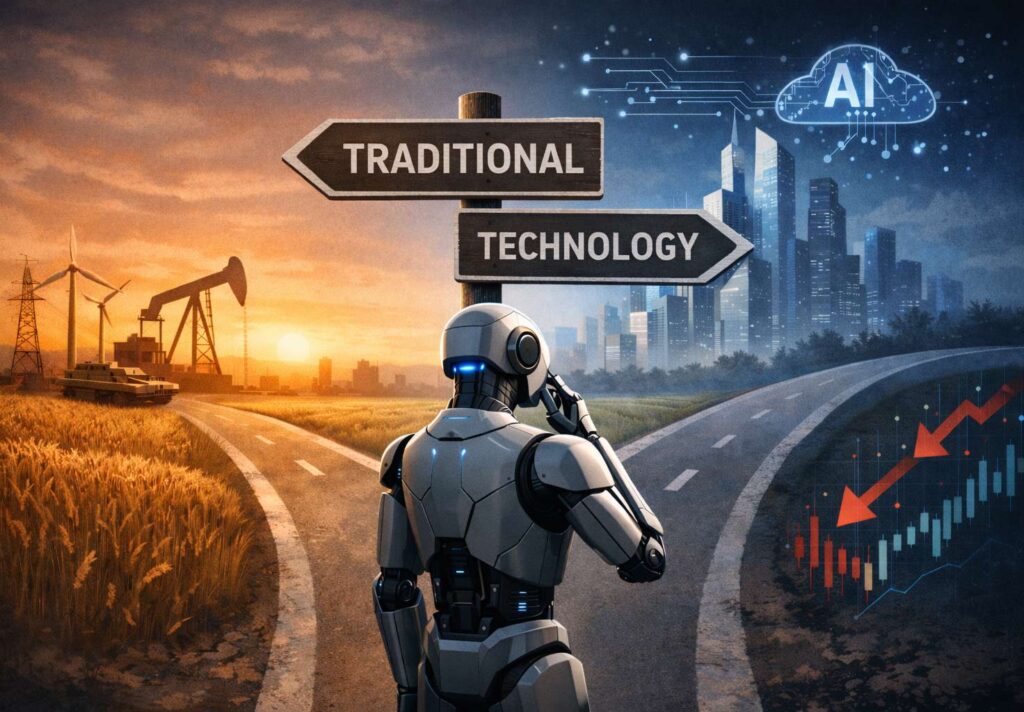
The New Direction of Capital
In recent weeks, a notable trend has emerged in global markets: a visible p ...

Turkey’s Automotive Industry: On the ...
Turkey’s automotive industry has managed to preserve its production volume ...

Healthy Growth: Why Organizations Sl ...
Companies want to grow. More market share, higher revenues, larger organiza ...

Sustainable Leadership: Power Built ...
Today, the concept of sustainability sits at the center of almost every str ...

Why Do Managers Struggle with Genera ...
A reality long felt in the business world is this: there is a natural diffe ...

Leadership
Support, love, and trust received in childhood nurture self-confidence, cou ...

Generation Z: Not Just a Mirror, but ...
One of the most frequent complaints in today’s business world is: “Young em ...

A New Era in Business with Artificia ...
The Industrial Revolution began with steam. Then came electricity, computer ...

The New Face of Entrepreneurship: Wo ...
The new generation of entrepreneurship is no longer solely profit-driven; i ...

Understood Employees Contribute and ...
In the corporate world, we often hear statements like: “They’re talented, b ...

The Silent Power of Corporate Succes ...
In today's business world, organizations operate in an environment shaped b ...

Customer Relations and Training in B ...
Bancassurance, a business model in which banks market insurance products to ...

What Awaits the Business World? A St ...
Digitalization is no longer just a technological trend but a necessity for ...

Digital Transformation in Conflict M ...
Conflict is a reality we encounter in all aspects of life. Whether at home, ...

The Road to Success: Market Dynamics ...
In today’s rapidly changing market conditions, the importance of management ...

Leadership in the Digital Age: A New ...
Leadership in the digital age requires embracing continuous learning, innov ...

Mastering Risk Management
Mastering risk management is not merely an option for businesses but a nece ...

International Banking in Germany: A ...
Germany, with its strong industrial structure, high-technology products, an ...
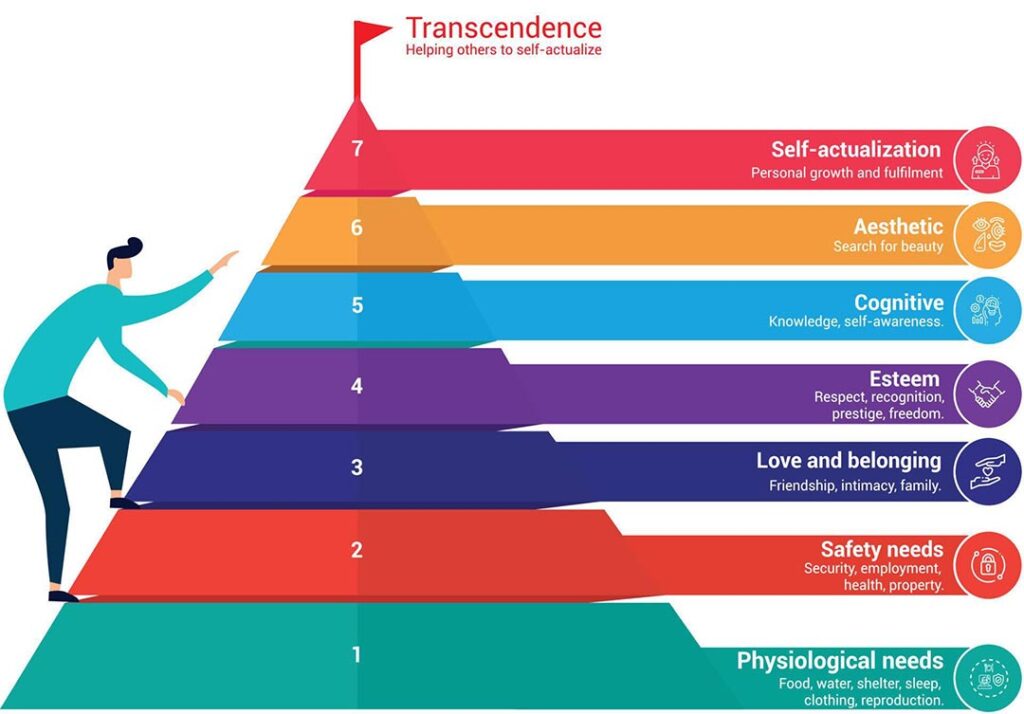
Leadership and Maslow's Hierarchy of ...
Abraham Maslow's hierarchy of needs is a fundamental psychological theory u ...

Leadership and Sustainability of Org ...
Today's business world is characterized by continuous change, technological ...

The Importance of Coaching Skills f ...
The Importance of Coaching Skills for LeadersCoaching skills are essenti ...

Fintech in Turkey: The Rise of Finan ...
Fintech in Turkey: The Rise of Financial Technology

Bancassurance
Bancassurance is a business model that is among the financial services offe ...

Banking and Frankfurt
When the banking and finance sector in Europe is analyzed, it is seen that ...

Digital Banking and Germany
Digital banking is a banking service where customers can do their banking o ...

Banking in Germany
Euro used since 2002 in The Eurozone, the currency of 19 EU members. There ...

Strategic Communication
Strategic communication plays a critical role in the success of an organiza ...

Importance of Supply Chain
The supply chain is a critical factor in which a company manages the flow o ...

Key to Success: Going Digital
Digital transformation is a transformation process that aims to increase th ...

Welfare
Poverty and inequality are one of the biggest challenges the current societ ...

ChatGPT
ChatGPT, developed by the OpenAI company known for its work and research in ...

What is Emotional Intelligence and w ...
Emotional intelligence (also known as emotional quotient or EQ) is the abil ...

The Importance of Women's Employment ...
Women's participation in the workforce is closely related to the level of d ...

Digital Banking II – Digital Banking ...
A serious step taken for the spread of “digital banking” in Turkey, providi ...

The Perception of Morality within Ma ...
If everybody in the world jumped out of a window, would you? This question ...

Digital Banking
Digital banking is a banking technology that offers customers the opportuni ...

Banking, Artificial Intelligence and ...
We have heard the concepts of metaverse, artificial intelligence and machin ...

Green Asset Ratio
Sustainable finance has an important place among the investments made for t ...

Servant Leadership
There is an effective form of management that we often hear about today: se ...

Sustainability In The Global Banking ...
Before Covid-19 wreaked havoc on the world’s economies, the global banking ...

Revolution of Digital Banking
With the European Central Bank considering to investigate for a digital cur ...

Taking Action and Making Decisions i ...
Uncertainty is the fact that an event is not within the framework of certai ...

Wind of Change
Change is an important concept that must be managed for employees at all le ...

Organizational Justice
“What is justice? Giving water to trees. What is injustice? To give water t ...

Open Banking
Digital transformation has started to show its effects in every aspect of o ...

Digital Literacy And Corporate Life
There are many innovations that managers and employees need to follow in or ...

Financial Literacy
The words money and economy are two important concepts that have a great pl ...

Sustainability and Bank
The solutions we have found to our various needs throughout history and ada ...

Adaptability, Flexibility and Leader ...
Being able to adapt to changing conditions is very, very important not only ...

Creativity and Leadership Relationsh ...
The world is getting more competitive every day. For this reason, the servi ...

Competitive Analysis and Banking Sec ...
Competition analysis requires you to examine your direct and indirect compe ...
Delegation in Management
The statements "two heads are better than one" or "teamwork makes the dream ...

Climate Change
All creatures evolve to best adapt to environmental impacts. Those who are ...

Change of Banking Service Channels i ...
Global crises such as the pandemic, force the existing structures to change ...

Innovation
It is undeniable that innovation has a very important place in today's worl ...

Artificial Intelligence
Artificial intelligence is no longer just something specific to science fic ...

Entrepreneurship
Entrepreneurship is the process of starting a new business that incorporate ...

Global Leadership
The world is changing day by day and the information we have today is out o ...

Resilience and Leadership
We encounter many events in life that cause us difficulties and stress. How ...

Entrepreneurial Spirit for Leaders
Why is important for success? The conventional perception of entrepreneursh ...


Finance Leadership in a Pandemic
Crises bring along a period in which institutions need to review their fina ...

Crisis Management
Crisis is a state of tension that puts the existence and goals of an organi ...

Strategic Leadership and Pandemic
Strategic Leader is the person who sets the roadmap to achieve the ultimate ...

Awareness, Appreciation, Success
It is very important for a person to recognize himself, discover his power ...

Woman and Career
People who are raised by unemployed mothers have a mother model in their mi ...

Conflict Management
In the broadest sense, conflict is disagreement between two or more people ...

Leading with Kindness
Kindness is an important virtue. Kindness in all areas of life makes relati ...

Smart Meetings
Meeting management is the process of managing all stages and components of ...

Negotiation Management
Negotiation is defined as a dialogue aimed at reaching a common and benefic ...

Virtual Leadership
The repercussions of the digitalization process in business life were sprea ...

Manager and Patience
Patience is an important concept in management. Patience is active, not pas ...

Being All Ears
Human beings differ from other creatures in their way of communicating. Com ...

Networking
The fact that managers in the corporate world act with awareness of network ...

Asking Strong Questions
For managers, asking a strong question is an important skill. Managers, who ...

Managing Yourself
The manager at work is in communication with the other parts of the busines ...

Mental Immunity
In the fight against Coronavirus (Covid-19) pandemic, knowledge and awarene ...